How to Plan a Community Club's First Meeting
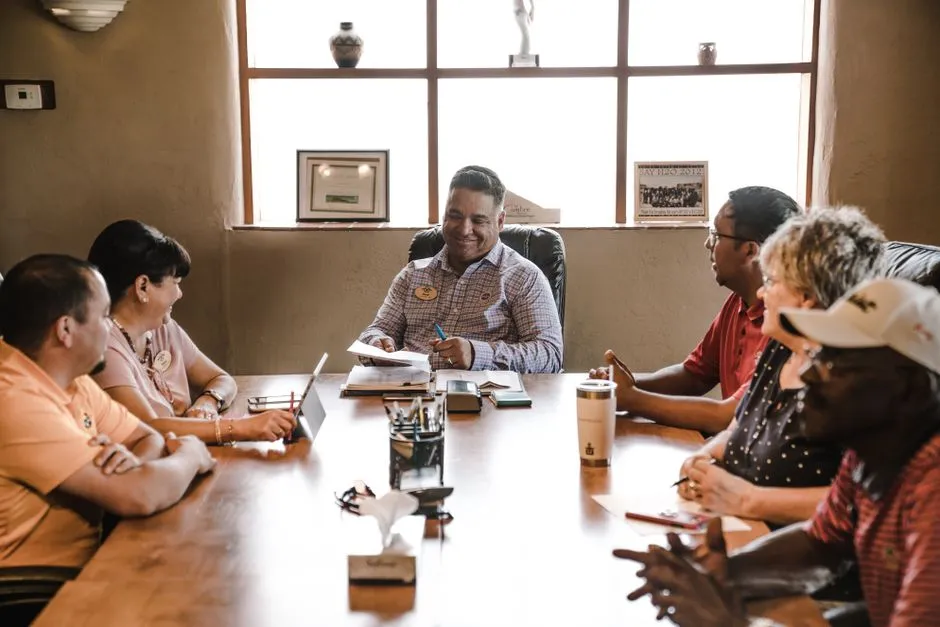
Plan for one useful decision
To plan a community club's first meeting, define the purpose in one sentence, invite the people the club is meant to serve, choose an accessible time and place, publish a short agenda, and end with one small next step plus a named owner. The goal is not to unveil a perfect institution. It is to discover whether enough people want to build the next version together.
A first meeting can feel important without becoming three hours of bylaws read under fluorescent lighting. Give people enough structure to participate and enough openness to change the plan.
Write the invitation before the agenda
Complete this sentence: “This group brings together ___ to ___.” Name the people, the shared interest or need, and the kind of activity you imagine. Avoid promising weekly events, facilities, funding, or services that do not exist yet.
The invitation should answer:
- What is the proposed club about?
- Who is welcome, and is there an age or location boundary?
- What will happen at this particular meeting?
- When and where will it happen?
- Is the space free, step-free, quiet enough, and reachable?
- Is registration required, and what information will be collected?
- Who can answer access or participation questions?
Invite through channels the intended members already use. If the club should include people beyond your immediate friends, a group chat alone may reproduce the same little circle with a newly designed logo.
Choose a space people can actually use
Match the venue to the activity, group size, budget, transit, parking, noise, restrooms, seating, and physical access. Ask the venue about step-free entry, door widths, accessible toilets, service animals, lighting, sound, food rules, closing time, insurance, and emergency procedures. Never advertise an accommodation until it is confirmed.
For an online or hybrid meeting, test the link, captions, microphone, screen-sharing, dial-in option, and host controls. Explain whether the session will be recorded. Collect the least personal information needed and say who can see it.
Publish directions and a contact method. “You will see the door” is a famously optimistic navigation strategy.
Use a 60-minute first-meeting agenda
Here is a flexible starting point:
| Time | Activity | Purpose |
|---|---|---|
| 0–10 min | Welcome and brief introductions | Learn who is present and why |
| 10–20 min | Explain the club idea | Put the proposal on the table |
| 20–35 min | Discuss needs and boundaries | Hear interests, barriers, and concerns |
| 35–45 min | Choose one trial activity | Turn interest into a testable next step |
| 45–55 min | Assign small tasks | Share work with clear consent |
| 55–60 min | Recap and close | Confirm decisions, owners, and contact plan |
The arithmetic is 10 + 10 + 15 + 10 + 10 + 5 = 60 minutes. Adjust it, but publish a finish time and honor it. People decide whether a club fits their lives partly by watching what the first hour does with theirs.
Facilitate for more than the fastest voices
Begin with the purpose, agenda, behavioral expectations, and decision method. Explain that passing is allowed during introductions. Use names people give you and avoid requiring personal disclosures as the price of participation.
Ask one question at a time. Give people a moment to think, invite written input, and prevent interruptions without embarrassing the interrupter. If two confident people dominate, use a round or pairs before returning to the full group. Record themes where everyone can see them, but do not attach names to sensitive comments without permission.
When conflict appears, summarize the actual decision. Separate preferences from constraints. “We need a Saturday event” and “I personally like mornings” are not the same kind of sentence, even when both arrive at breakfast volume.
Choose a pilot, not an empire
Agree on one small activity that tests the central idea: a walk, reading discussion, skill-share, cleanup, practice session, or social hour. Set the date only after checking who must organize it and what the venue requires.
Name tasks such as booking, access check, invitations, supplies, welcoming, and follow-up. Ask each volunteer directly and make “no” an easy answer. The companion guide to simple club volunteer roles shows how to define work without making every helper an officer for life.
Avoid collecting dues, signing contracts, opening accounts, or adopting complex governance merely because the meeting felt energetic. Those steps may require research into local law, banking, insurance, safeguarding, tax, and organizational obligations. Energy is delightful; it is not due diligence wearing sneakers.
Close with an accurate record
Before people leave, read back the decision, date, task owners, spending limit if any, and next communication. Ask whether anyone objects to their contact details being shared. Send a short follow-up only to people who agreed to receive it.
Include what was decided, what remains open, who owns each task, and when the group will review the pilot. Keep notes in an access-controlled place and delete registration data you no longer need. Browse meetings and events for more ways to keep gathering structure visible.
After the pilot, ask three questions: What should continue? What should change? Is there enough interest and capacity for another one? A club becomes real through repeated useful experiences, not because the first agenda used bold type.